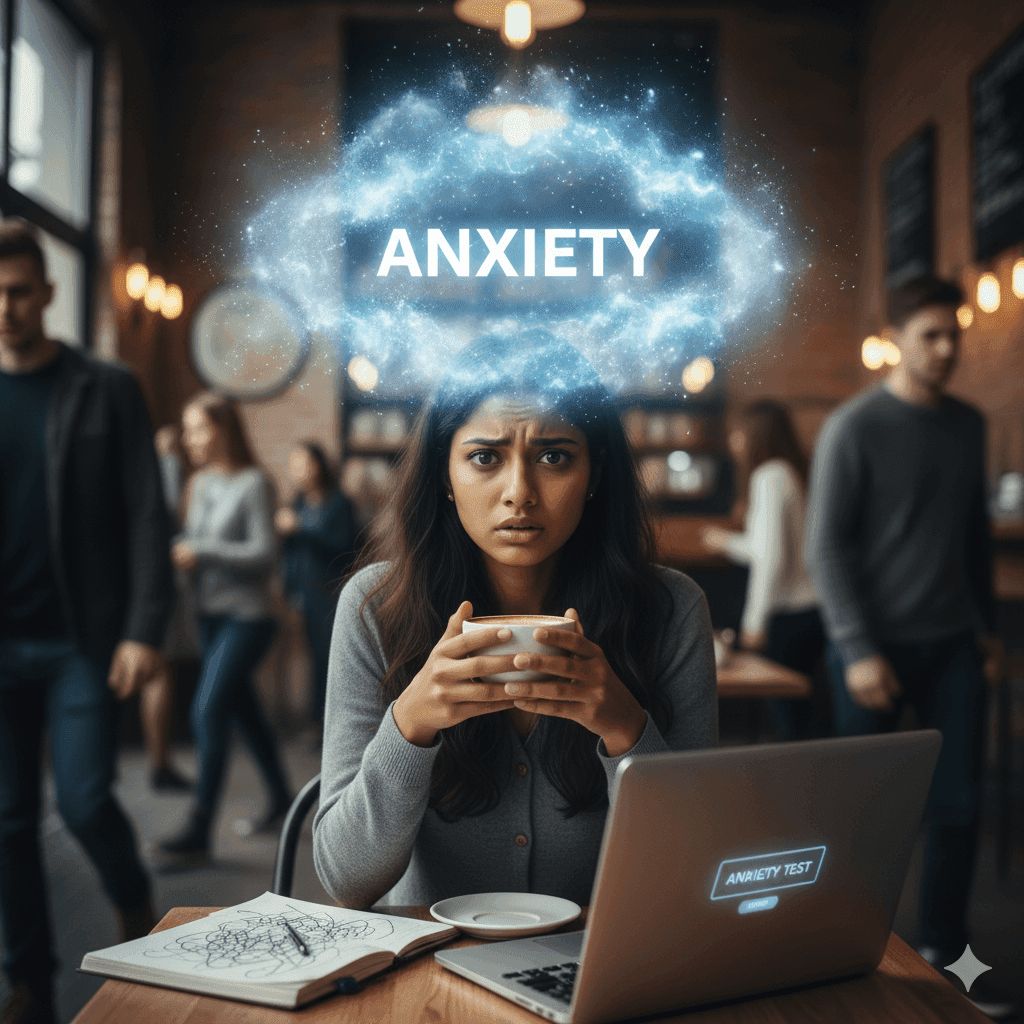
First things first: anxiety is not always a disorder. Anxiety is a natural emotional response to perceived threat or uncertainty, but when worry becomes persistent, excessive, and interferes with daily life, it may indicate an anxiety disorder.
Feeling anxious before an important meeting, exam, or life decision is normal. Anxiety, at its core, is a protective mechanism - it helps us detect danger, prepare, and adapt. Learn more about when anxiety is normal and when it's not.
However, there is a clear spectrum between:
- occasional anxious feelings
- chronic anxiety
- clinically diagnosed anxiety disorders
Understanding where you are on that spectrum is crucial for your mental health. If you're unsure whether you're experiencing stress or anxiety, read anxiety vs stress to understand the difference.
Many people dismiss anxiety with phrases like "I'm just a worrier" or "That's my personality". Over time, this normalization can silently harm both mental and physical well-being.
That's why we'll:
- break down what anxiety really is
- explain common myths
- outline symptoms recognized by professionals
- help you decide when it makes sense to take an anxiety test
What Is Anxiety? A Clinical Definition
Anxiety is a mental health condition characterized by persistent, excessive worry that interferes with daily life.
According to the DSM-5 (Diagnostic and Statistical Manual of Mental Disorders), anxiety disorders include:
- Generalized Anxiety Disorder (GAD)
- Panic Disorder
- Social Anxiety Disorder
- Specific Phobias
- Separation Anxiety Disorder
Anxiety disorders are among the most common mental health conditions worldwide, affecting millions of adults and adolescents.
Anxiety Symptoms (DSM-5 Criteria)
If anxiety becomes a disorder, it usually manifests through a combination of mental and physical symptoms.
Psychological symptoms:
- Constant worrying or fear
- Difficulty concentrating
- Racing thoughts
- Irritability
- Feeling overwhelmed or "on edge"
Physical symptoms:
- Muscle tension
- Fatigue
- Rapid heartbeat
- Shortness of breath
- Sleep problems (difficulty falling or staying asleep)
If several of these symptoms persist for more days than not over 6 months, it may indicate an anxiety disorder rather than temporary stress.
Anxiety vs stress: what's the difference?
These two terms are often used interchangeably, but they are not the same.
Stress:
- Usually caused by a specific external situation (workload, conflict, deadlines)
- Tends to disappear once the situation is resolved
- Can exist without anxiety
Anxiety:
- Persists even when no clear stressor is present
- Often feels uncontrollable
- Can create new worries even in calm situations
In short: 👉 Stress is situational. Anxiety is persistent.
Types of Anxiety Disorders
Anxiety disorders are not all the same. The most common types include:
- Generalized Anxiety Disorder (GAD)
- Panic Disorder
- Social Anxiety Disorder
- Specific Phobias
Each type has unique triggers and symptoms, but all share persistent fear or worry that impacts daily functioning.
Myth #1: "Anxiety isn't a real disorder"
This is one of the most harmful misconceptions.
Yes, everyone worries sometimes - but disorders are defined by suffering and impairment. When anxiety affects:
- work performance
- relationships
- sleep
- physical health
…it becomes a legitimate medical and psychological concern.
Psychiatrists and therapists often recommend:
- psychotherapy (especially CBT)
- lifestyle adjustments
- medication (in moderate to severe cases)
Anxiety is not "imaginary" - it is measurable, diagnosable, and treatable.
When should you consider taking an anxiety test?
An anxiety test is not a diagnosis, but it is a powerful first step.
You should consider a test if:
- you feel anxious most days
- your worry feels excessive or irrational
- anxiety interferes with daily life
- physical symptoms appear without clear cause
- you're unsure whether what you feel is "normal"
A well-designed anxiety test helps you:
- reflect on your mental state
- identify symptom patterns
- decide whether professional help might be useful
Why self-assessment matters (and where it ends)
Self-assessment tools:
- increase self-awareness
- reduce stigma
- help people seek help earlier
However, they do not replace a mental health professional.
Some people find it helpful to use structured self-guided platforms that offer evidence-based questions, clear explanations of results, and guidance on next steps - rather than labels or fear-based conclusions. These tools work best when they support self-awareness without making diagnostic claims.
Take a moment to check in with yourself
Ignoring anxiety doesn't make it disappear. Understanding it is the first step toward managing it.
It takes just a few minutes and can help you better understand what you're experiencing.
No diagnosis. No judgment. Just insight.
Frequently Asked Questions
What helps with anxiety?
Multiple approaches can help with anxiety, depending on its severity and impact. For everyday anxiety, structured self-guided practices like short breathing exercises, mindfulness, and self-reflection tools can provide support. Some people find platforms that offer 3-minute guided practices helpful because they work with limited capacity and don't require long sessions. For persistent or severe anxiety, professional support through therapy (especially CBT) or medication may be necessary. Lifestyle adjustments like regular sleep, exercise, and stress management also play important roles.
Are there free or low-effort ways to deal with anxiety?
Yes. Free and low-effort options include breathing exercises, brief mindfulness practices, journaling, and self-assessment tools that help you understand your patterns. Many people find short, structured practices (3-5 minutes) more sustainable than longer routines, especially when energy is low. Some mental wellness platforms focus specifically on brief, accessible practices designed for moments when starting feels difficult. These tools are informational and support self-awareness rather than providing clinical treatment.
Is therapy the only option for anxiety?
No. Therapy is one effective option, but not the only one. For mild to moderate anxiety, self-guided practices, lifestyle changes, and structured mental wellness tools can be helpful. Some people use these approaches alongside therapy, while others find them sufficient for managing everyday anxiety. However, if anxiety significantly interferes with daily life, persists for months, or causes physical symptoms, professional support is often recommended. Therapy becomes more important when self-management strategies aren't enough or when anxiety is severe.
Next Steps
For practical support and structured practices, explore our anxiety practices hub which includes management strategies, deeper guides, and first actions you can take today.
Conclusion
Anxiety exists on a spectrum - from normal human emotion to a clinical condition that deserves attention.
It is:
- not weakness
- not imagination
- not something you should simply "power through"
Understanding anxiety, recognizing symptoms, and using tools like self-assessment tests can help you regain control and improve your quality of life.